JUST ONE MORE ASYM Wiki How to Beat Aberrants
Counter Seeker, Guilt, and Berserk with stamina discipline and coordinated roles.
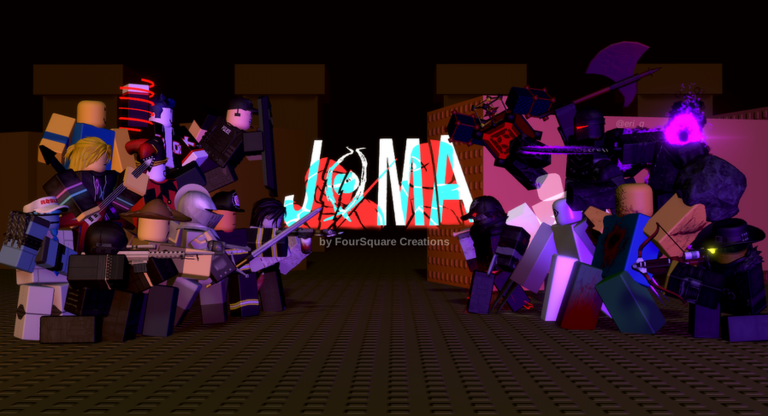
Aberrants are the AI-controlled main killers in JUST ONE MORE ASYM. In every Standard 4v16 match, one Aberrant joins three player Adversaries to hunt sixteen Survivors. They are designed to be lethal, readable, and devastating when Adversaries support them correctly. Survivors who treat the Aberrant like a random sub-killer lose. Survivors who assign roles, manage stamina, and respect Berserk windows win more often — even in unstable alpha balance.
This guide focuses on the live Aberrant pair the community documents most: Seeker and Guilt. Pair it with character guides on Shielder for peel and Hemomancer for high-ceiling support when you are ready for expensive kits.
Meet the Aberrants
Seeker
Seeker is the relentless chaser. Expect high tempo, aggressive gap-closes, and constant pressure on anyone who sprints without a plan. Adversary counterpart themes often line up with Chaser — when both appear, Survivors get punished twice for linear movement.
Survivor keys:
- Do not sprint in a straight line across open ground.
- Break vision with map props from the Maps hub.
- Save mobility tools for after Seeker commits an engage ability.
- Call out direction changes so tanks can body-block choke entries.
Seeker thrives on isolation. If you are the second Survivor in a chase chain, your job is to force a disengage or body-block — not to become the next target because you panic-sprinted.
Guilt
Guilt is the tanky slugger — slower than Seeker, but extremely hard-hitting and durable, with tools that can ragdoll or otherwise set up Adversaries. Counterpart themes often line up with Sin. Noob is the only Survivor with a documented Aberrant mirror (Guilt), which makes the matchup a common teaching moment for new players.
Survivor keys:
- Respect melee commit ranges; chip from mid-range when possible.
- Peel for healers when Guilt looks at the backline.
- Do not greed extended melees while Adversaries flank.
- Force Guilt to spend time walking — not every swing needs a trade.
Lord has been listed in community encyclopedias as an upcoming or additional Aberrant slot — verify availability in your live build; do not assume Lord is live because JOMA is still unstable.
How Adversaries amplify Aberrants
Player Adversaries are not separate win conditions — they are force multipliers. Spotter intel, Chronos slows, Hunter traps, and Firework burst all exist to funnel Survivors into Seeker’s lane or Guilt’s commit range.
Survivor counter: assign a Disruptor to stall player hunters so the Aberrant fights alone. Shielder excels here: face the rushdown, not the vanity duel, and keep Doctor or Hemomancer behind your line.
Hunters should read Adversaries for role synergy. Your best rounds often look like “boring” zone control, not highlight-reel solo eliminations.
Berserk mode
When the Aberrant is the last unit remaining on the Adversary side, Berserk can amplify its kit. Survivors may already have eliminated player Adversaries and still lose the round by underestimating the powered-up AI.
This is the most common throw in mid-tier lobbies: cheer after the third Adversary dies, then feed the Berserk Aberrant because nobody saved stamina or cooldowns.
Berserk checklist:
- Regroup instantly — no solo looting or emote chains.
- Assign interrupt, shield, and heal priorities before re-engaging.
- Kite toward prepared terrain from Maps, not random fog.
- Accept that surviving Berserk can be worth more than a greedy finish if your team is broken.
- Caller announces “Berserk live” — silence loses more rounds than bad aim.
Team roles versus Aberrants
| Role | Job vs Aberrant |
|---|---|
| Tank | Hold space, absorb the first swing |
| Healer | Top off after every engage window |
| Disruptor | Stall Adversaries so the Aberrant is isolated |
| Damager | Burst only when peel is ready |
Character specifics live on the Survivors hub. Budget peel: Shielder (~450 P). Late-game enable: Hemomancer (~1500 P) after fundamentals are stable.
Aberrants during Death Sentence
Roughly every fifteen Standard rounds, Death Sentence can fire with Archfactor pressure and boosted movement for everyone. Aberrant threat does not disappear — it stacks with special-round chaos.
During Death Sentence, shrink your goals: stay alive, keep the healer upright, and do not hero-chase Berserk into open ground. The Death Sentence guide covers caller habits and video reference.
Power & Speed boss overlap
The Power & Speed update family added boss-facing showcases that sometimes appear adjacent to Aberrant pressure in community footage. Treat boss tells like Aberrant tells: learn animations first, numbers second. When both threats exist in a round, tanks anchor the boss-facing lane while Disruptors peel player Adversaries off Seeker.
Adversary tip (if you are hunting)
Your job is not to out-DPS the Aberrant. Cut exits, apply Hexes, and force Survivors into the AI’s preferred lane. When two Adversaries chase the same Survivor while Seeker is free, you are donating win rate.
Practice plan
- Play two matches focusing only on not dying to the first Seeker chase.
- Play two matches focusing only on not overextending into Guilt melee.
- Play one match where you call Berserk the moment the last Adversary falls.
- Review stamina mistakes with Stamina Management.
- When special rounds hit, switch to the Death Sentence guide.
Related pages
Frequently Asked Questions
Quick answers to the most common questions about JOMA.
How many Aberrants are in JOMA?
Community encyclopedias currently focus on Seeker and Guilt as the live pair, with Lord listed as upcoming in some tables. Always confirm in your current build.
What is Berserk mode?
Berserk amplifies the Aberrant when it is the last unit remaining on the Adversary side, making the AI much more dangerous.
Should I fight Seeker alone?
Avoid it. Seeker thrives on isolated chases. Break vision and regroup before re-engaging.
Is Guilt easier than Seeker?
Guilt is usually less about pure speed and more about heavy hits and durability. Different mistake patterns — not necessarily easier.